
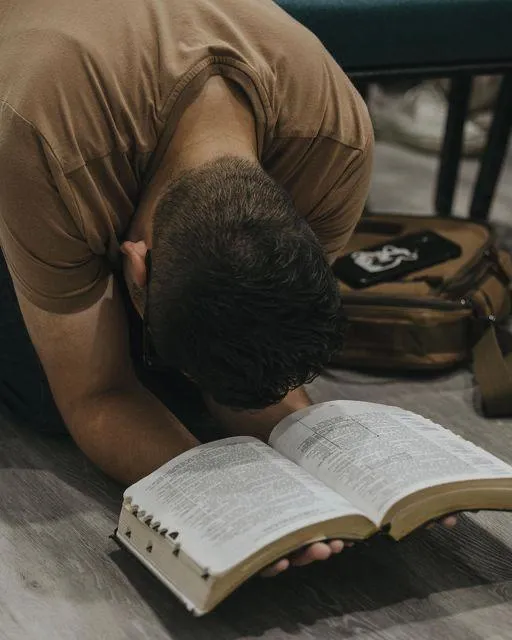
Why Faith Begins at Home, Not Church
Faith is one of the most important gifts we can pass on to the next generation. Many Christians believe the church is the primary place where faith is built, and while church plays a vital role, the Bible shows us something deeper: faith is first formed at home. The home is where beliefs are lived out daily, where children observe real-life Christianity, and where faith becomes more than just words spoken on a Sunday.
Church supports faith, but home sustains it.
Faith Was Designed to Start at Home
From the very beginning, God placed the responsibility of spiritual teaching in the hands of families. In the Old Testament, God gave clear instructions that faith should be woven into everyday life, not limited to religious gatherings.
“And these words which I command you today shall be in your heart. You shall teach them diligently to your children, and shall talk of them when you sit in your house, when you walk by the way, when you lie down, and when you rise up.”
— Deuteronomy 6:6–7 (NKJV)
This verse makes it clear that faith is not meant to be taught occasionally, but consistently. At home. In ordinary moments. During conversations, routines, and daily decisions.
Children learn faith not just by what they hear, but by what they see lived out.

Church Is a Support, Not the Foundation
Church is important. It provides teaching, community, accountability, and encouragement. It exposes children to worship, biblical teaching, and godly role models outside the family. However, church happens only a few hours a week. Home is where children spend most of their time.
If faith is only practiced at church but not at home, children may begin to see Christianity as something separate from everyday life, something that applies on Sundays but not on Mondays.
“Train up a child in the way he should go, and when he is old he will not depart from it.”
— Proverbs 22:6 (NKJV)
Training requires repetition, patience, and consistency, things that happen best in the home.
Children Learn Faith Through Daily Life
At home, children watch how parents respond to stress, conflict, disappointment, and joy. They notice how forgiveness is practiced, how prayer is prioritized, and how God is spoken about in daily conversation.
Faith becomes real when children see:
Parents praying during difficult moments
Apologies given when mistakes are made
Gratitude expressed even in lack
Scripture guiding decisions
“Be imitators of me, just as I also am of Christ.”
— 1 Corinthians 11:1 (NKJV)
Whether we realize it or not, children are always learning from us. Our homes become their first classroom of faith.
Faith Grows in Relationship, Not Just Instruction
One of the reasons faith begins at home is because faith grows best in relationship. Children are more likely to trust and embrace faith when it is taught through love, patience, and genuine care.
When parents create safe spaces for questions, doubts, and conversations about God, children learn that faith is not about perfection, it’s about relationship.
“And you, fathers, do not provoke your children to wrath, but bring them up in the training and admonition of the Lord.”
— Ephesians 6:4 (NKJV)
Faith taught with gentleness and understanding builds roots that last.
Every Home Can Be a Place of Faith
You don’t need to be a pastor, theologian, or Bible scholar to build faith at home. Faith begins with simple, intentional steps:
Praying together, even briefly
Reading Scripture in small portions
Talking about God naturally
Encouraging children to trust God in everyday situations
“For the word of God is living and powerful…”
— Hebrews 4:12 (NKJV)
God’s Word doesn’t require perfection, just presence.
Faith at Home Prepares Children for the World
When faith is nurtured at home, children develop a strong spiritual foundation that helps them navigate life’s challenges. They learn where to turn in times of fear, confusion, or pressure.
A child who sees faith lived daily understands that God is not distant, but present.
“Trust in the Lord with all your heart, and lean not on your own understanding.”
— Proverbs 3:5 (NKJV)
This kind of faith becomes a compass they carry into adulthood.
Faith Is Caught Before It Is Taught
Children often “catch” faith before they fully understand it. They absorb attitudes, habits, and beliefs simply by being present in a faith-filled environment.
A home that honors God; through love, humility, prayer, and grace, plants seeds that God can grow over time.
“As for me and my house, we will serve the Lord.”
— Joshua 24:15 (NKJV)
This declaration is not just about belief, but about daily commitment.
Conclusion: Church Complements What Home Begins
Church strengthens faith, but home is where faith begins. When families take responsibility for spiritual growth at home, children experience a faith that feels real, relevant, and lasting.
Faith does not require perfection only intention.
When God is welcomed into everyday moments at home, faith becomes a natural part of life, not an obligation. And that kind of faith is the kind that lasts for generations.

Facebook
Instagram
Youtube
TikTok
Facebook