I work at the intersection of rhythm, attention & belonging in learning.
Most educators can feel when learning is about to happen, and when it isn't. My work begins by taking that instinct seriously.
"I know what it's like to feel left behind in learning, not because of a lack of ability, but because the internal conditions for attention were never quite right. As a child, reading felt effortful and unrewarding. I could decode, but nothing helped my mind to settle or engage. Then music and rhythm changed everything.
Long before I had the language for it, I experienced something I now see on a daily basis in classrooms. When rhythm is present, attention gathers. When attention gathers, learning becomes possible.
Years later, working with children, teachers and schools, I began to recognize the same pattern. Many children who struggle with reading are not necessarily disengaged or unmotivated. A proportion of them are working very hard (harder than their peers) to manage uncertainty, regulate attention and fit in. What looks like a literacy problem is often a timing problem."
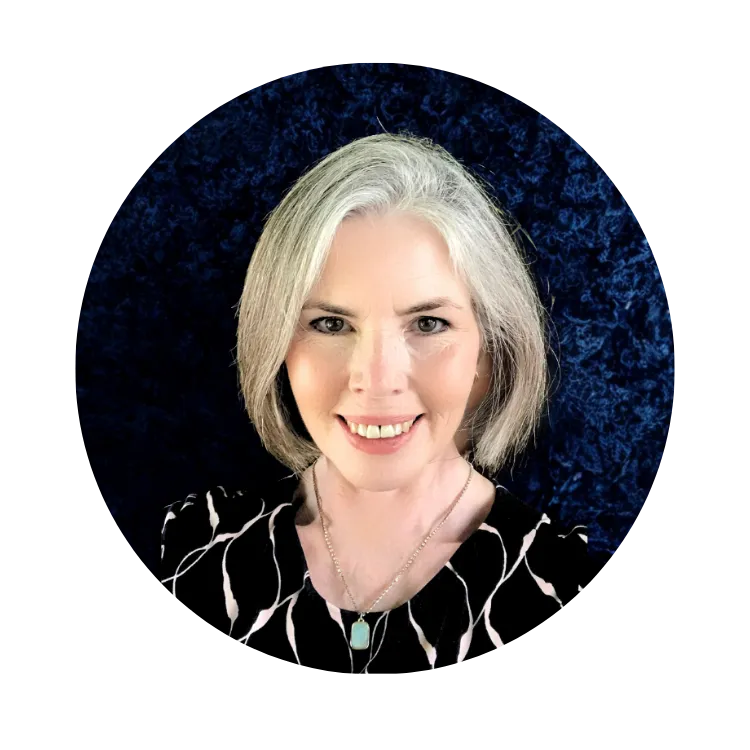
Dr. Marion Long on how rhythm helped her overcome reading challenges.
HELLO AND WELCOME!
My background spans professional music, doctoral research, as well as researching and teaching in primary, secondary and university settings. I trained as a cellist at the Royal Academy of Music and later completed a PhD at the Institute of Education, UCL, exploring how rhythm shapes children's reading behaviour and attention.
I've taught in schools, worked as a SENCo, contributed to national research projects, and supported teachers across a wide range of settings. But the most important learning has come from close observation of what changes when children are supported through rhythm, and feel safe enough to perceive that they belong.
Rhythm is not an add-on to teaching and it is not a replacement for phonics.
It is the structure that allows phonics, language and comprehension to gel and it brings reading to life. Rhythm helps children to anticipate, coordinate and stay with the flow of language. When rhythm is absent, attention fragments. When rhythm is present fluency begins to emerge.
Read more about the science of rhythm and reading.
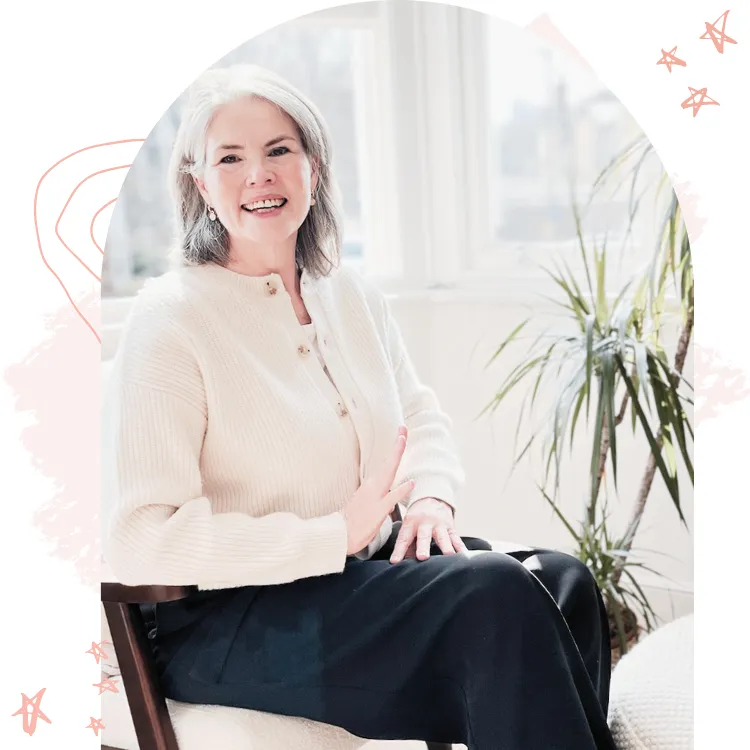
How rhythm transformed my reading and shaped my career.
In 2012 I created Rhythm for Reading after years of noticing the same very visible changes: children who had been hesitant or resistant began to participate willingly, read with expression and see themselves as readers, often without realizing why.
It was not effort or pressure that had changed. Rather, the changes involved each child's internal conditions for reading. The children themselves explained that they were experiencing differences in their sense of timing, emotional regulation and sense of belonging.
My work with teachers focuses on helping them tune into what they are already noticing. These include the subtle cues of hesitation, engagement and readiness that shape learning long before outcomes appear in the data.
Rhythm-based CPD supports teachers in working with children's attention, creating classrooms where more children work together on the same tasks more of the time.
What teachers notice first is not faster reading, but calmer, more confident children.
We’ve been working together for about ten years with Marion and the biggest thing that we notice with the children, is their change in confidence, seeing themselves as readers after just six weeks of doing the programme.
Headteacher, London
The children do really look forward to the sessions because they don’t necessarily see it as reading. They see it as something fun that they do and they don’t really realize the impact that it’s having on their reading.
KS2 Teacher, London
They feel that they are attaining and achieving within those sessions; they are not being left behind (like they can feel in some reading sessions within class). They are very much readers and they see themselves as readers.
Phase leader, London
If this reflects what you're already noticing in your classroom or school, we should talk.
You can explore the thinking behind rhythm-based CPD, or book a conversation to see whether this approach fits your context.
Explore whether rhythm-based CPD is a good fit for your school.

I begin the day with a black coffee in my grandmother's
favourite teacup and eat dark chocolate!

I relish my volunteer role as a call taker on a National Helpline -it's the highlight of my week!

When traveling, I love to visit museums, and gaze at Venus figurines and cuneiform tablets!

In the early morning, I go outside to hear the birdsong. There's nothing more beautiful!

I wrote and played the cello theme in the Emmy winning movie soundtrack: 'The Reason I Jump'.

I believe books are the greatest gifts for children - but they say, 'Thank you' after reading them!
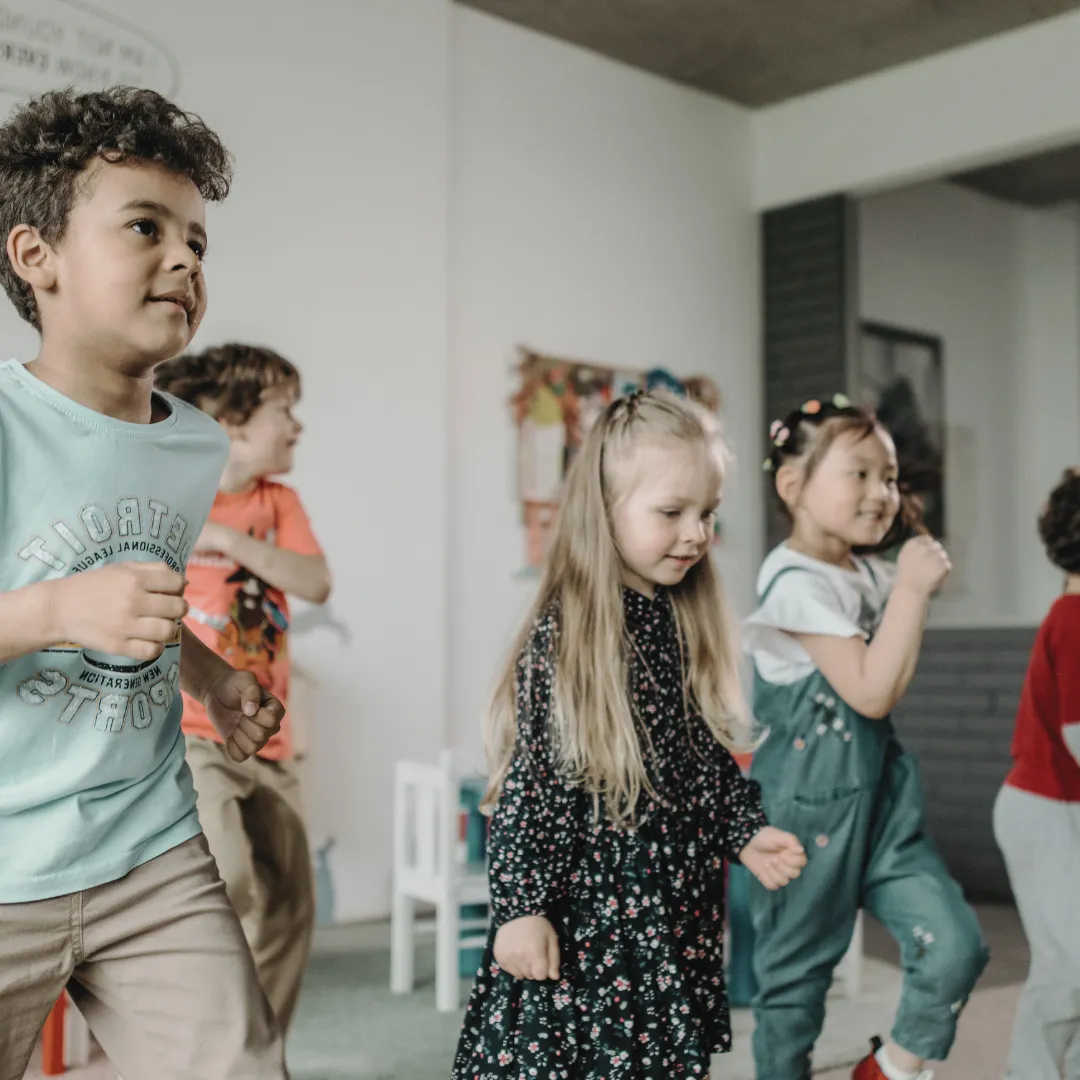
If (like me) you are fascinated by why it is that some children struggle to learn to read, you might find this of interest.
To uncover the relationship between rhythm and reading, I've made a guide about the neural overlap between phonemic and rhythmic awareness.
Discover the relationship between rhythm & phonemic awareness.
© Copyright 2026 Rhythm for Reading Services Limited. All rights reserved - Privacy Policy - Terms & Conditions